HW1 <<
Previous Next >> Memory Modules
PCH6-RAM Basics
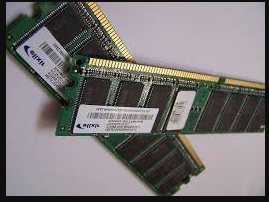
In order for a computer to function, it needs a temporary storage space to store data that is input into the computer from the user or the hard drive, and to store data that is about to be written to more permanent storage. This temporary storage is called RAM, or random access memory. RAM is the workspace for the CPU to process data. When the computer boots up the OS (operating system) loads the start files into RAM. RAM is dynamic and constantly changing. It operates much faster than a hard drive, and can be changed at any time by the computer. RAM is volatile memory which means it loses all its information when power is removed, so it can only be used as temporary storage. This memory is used for operating systems startup files (bootstrap loader), programs, data, and disk caching. Adding RAM to a computer is one of the easiest and most effective upgrades a person can perform, since it drastically improves the transfers between the CPU and the other input devices (like hard drives), and this increases the overall speed of the computer.
為了使計算機正常運行,它需要一個臨時存儲空間來存儲從用戶或硬盤驅動器輸入到計算機中的數據,並將要寫入的數據存儲到更永久的存儲器中。該臨時存儲稱為RAM或隨機存取存儲器。 RAM是CPU處理數據的工作區。計算機啟動時,操作系統(操作系統)將啟動文件加載到RAM中。 RAM是動態的並且不斷變化。它的運行速度比硬盤驅動器快得多,並且可由計算機隨時更改。 RAM是易失性內存,這意味著在斷電時它會丟失所有信息,因此只能用作臨時存儲。該內存用於操作系統啟動文件(引導加載程序),程序,數據和磁盤緩存。向計算機添加RAM是一個人可以執行的最簡單,最有效的升級之一,因為它可以極大地改善CPU與其他輸入設備(如硬盤驅動器)之間的傳輸,從而提高了計算機的整體速度。
HW1 <<
Previous Next >> Memory Modules